

Multi-sensory room layout
Model : P31
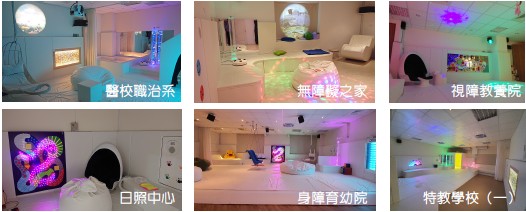
Multisensory rooms, when used in the behavioral and cognitive domains, can significantly improve mood and cognition, achieving the effects of relaxation and mood enhancement. For individuals with (extremely) severe disabilities, they can provide nonverbal input, achieving relaxation and learning. They also show excellent improvement effects for common psychosomatic groups such as intellectual disabilities, autism, cerebral palsy, rare diseases, hyperactivity, and developmental delays. For emerging sensory perception groups such as those with learning disabilities, personality disorders, giftedness, potential development, attention deficit, visual perception, cognitive specialization, and psychological disorders, their use can reinforce the effectiveness of original intervention methods. In the field of long-term care, they have a significant effect on delaying dementia and deterioration.
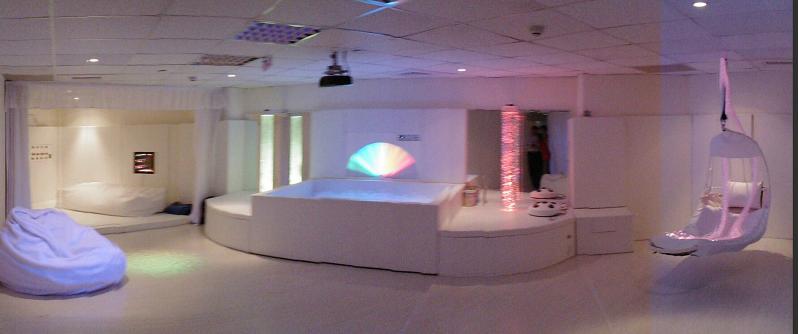
Multi-sensory room layout planning
Multisensory room equipment can be categorized as follows:
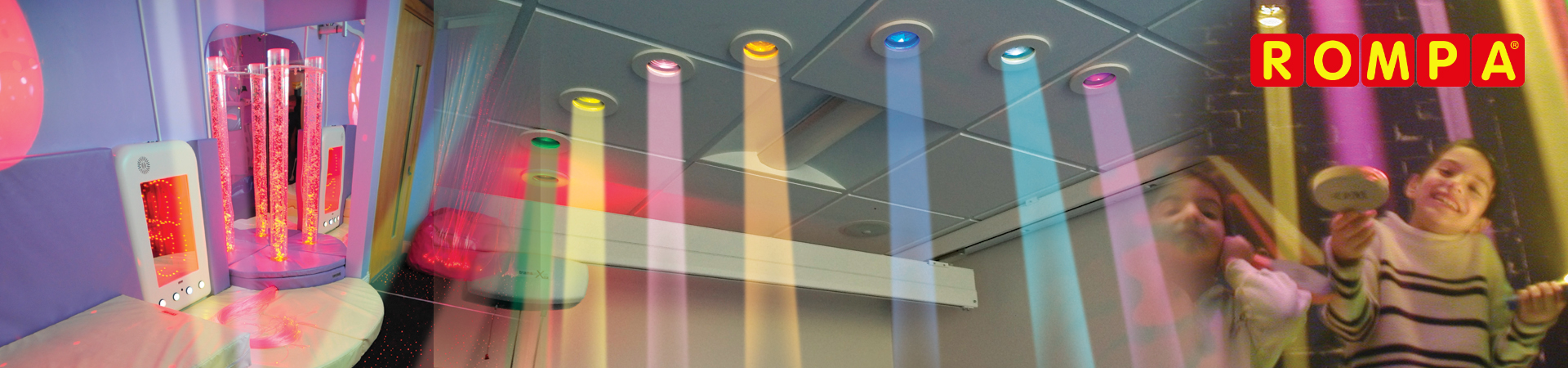
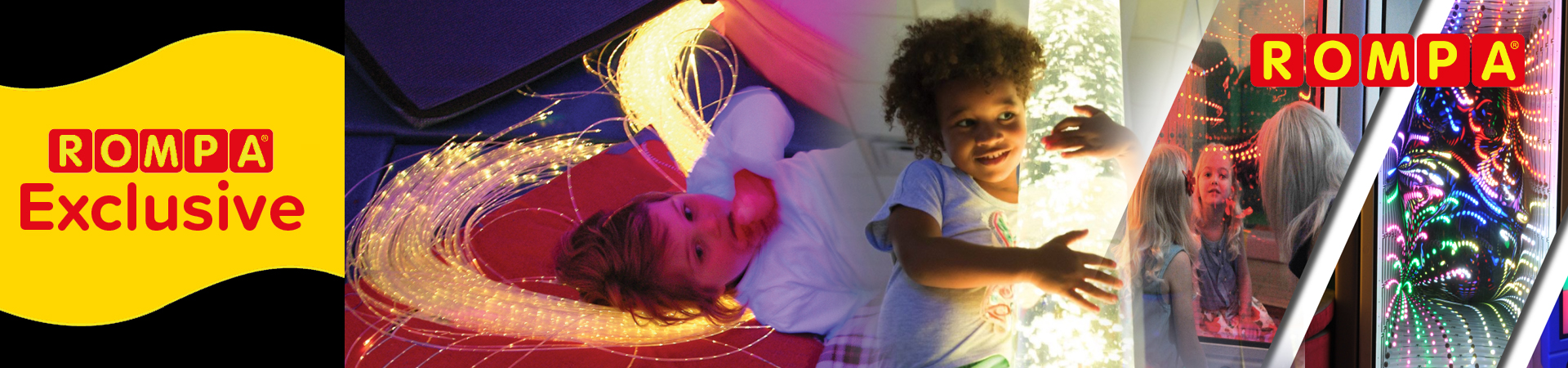
** Visual Equipment - Projectors, bubble tubes, sound and light walls, waterfall fiber optic lights, starlight or water wave lights, etc.
** Audiovisual Equipment - Bubble tubes, sound and light walls, sound-vibration music beds, etc.
** Tactile Equipment - Vibrating beds, tactile boxes, tactile boards, sound-vibration ball pits, etc.
** Olive Equipment - Scent selectors, aroma diffusers, etc.
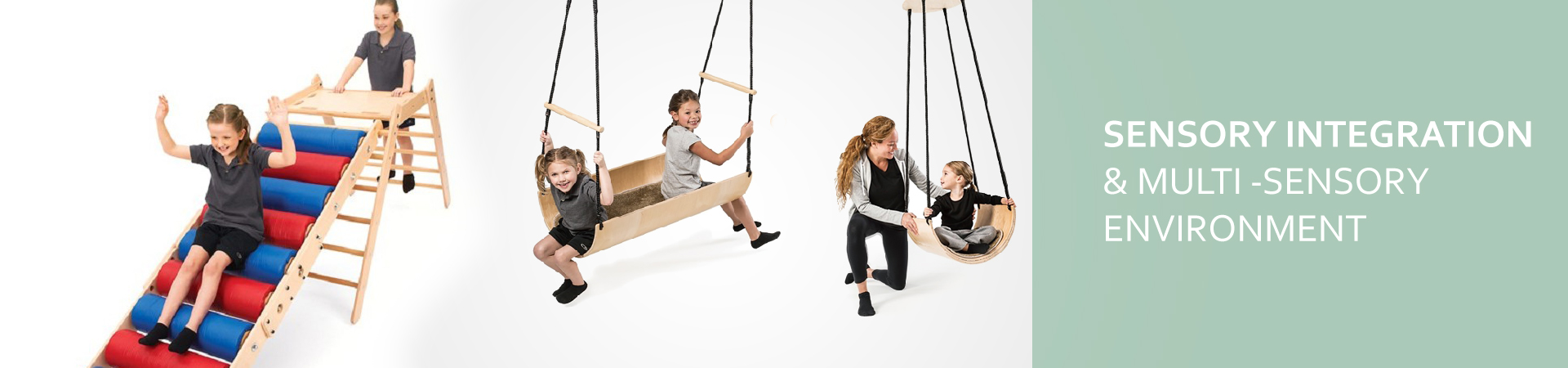
** Vestibular Equipment - Leaf-shaped hanging chairs, foam rocking chairs.
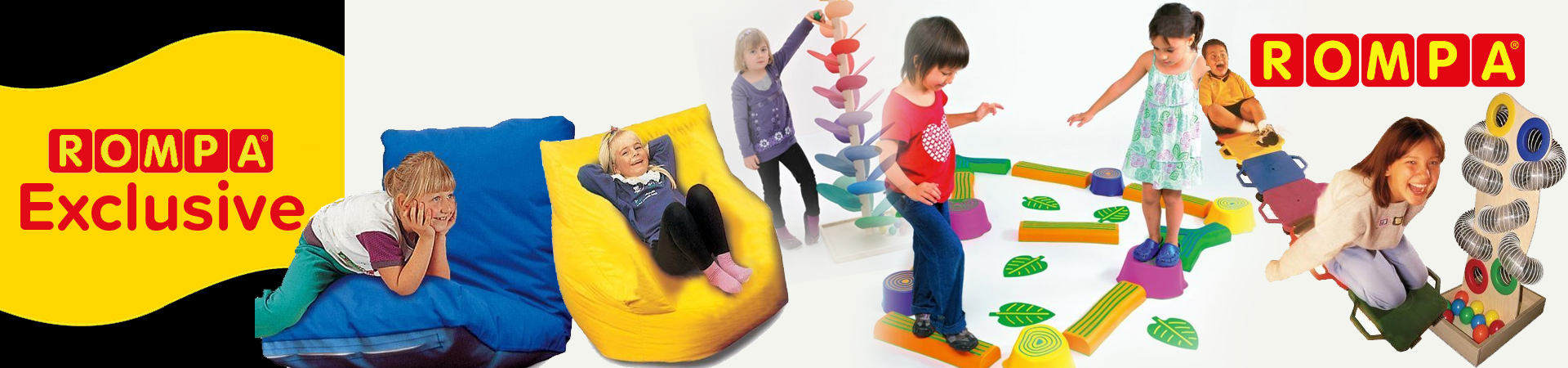
** Others - Such as corner space rooms, beanbag chairs, tents, relaxation mats, and proprioceptive stimulation from grasping equipment.
** Environmental Control System - Integrates the control of all equipment in the space, including air conditioning, sound systems, fans, etc.
** Typically, one instrument can provide two or more sensory stimuli simultaneously. All instruments can be connected to special push-button switches, allowing users to operate the instruments according to their abilities and receive their preferred sensory stimuli.
By: Ever Prosperous Instruments Inc.
Multisensory room equipment can be categorized as follows:
** Visual Equipment - Projectors, bubble tubes, sound and light walls, waterfall fiber optic lights, starlight or water wave lights, etc.
** Audiovisual Equipment - Bubble tubes, sound and light walls, sound-vibration music beds, etc.
** Tactile Equipment - Vibrating beds, tactile boxes, tactile boards, sound-vibration ball pits, etc.
** Olive Equipment - Scent selectors, aroma diffusers, etc.
** Vestibular Equipment - Leaf-shaped hanging chairs, foam rocking chairs.
** Others - Such as corner space rooms, beanbag chairs, tents, relaxation mats, and proprioceptive stimulation from grasping equipment.
** Environmental Control System - Integrates the control of all equipment in the space, including air conditioning, sound systems, fans, etc.
** Typically, one instrument can provide two or more sensory stimuli simultaneously. All instruments can be connected to special push-button switches, allowing users to operate the instruments according to their abilities and receive their preferred sensory stimuli.
By: Ever Prosperous Instruments Inc.